Noah Koshy
Designer · Sydney
Case № 03
Industry
Apple Foundation Program - Student
EmpathyHealth+ is an iPad app where physiotherapy students practise patient diagnosis on AI-simulated avatars, designed and built in three weeks and selected a year later to be presented to executives at UTS, RMIT and Apple.
RoleProduct Designer
Team5 people
Timeline
ROLES INCLUDEDIdeation, design, coding & storytelling narrative
Note to self
The working application live demo.
Play the video to hide the "Note to Self" sticky.
The sixty-second version
Problem
Develop a solution that improves both the educational experience and learning capabilities of students studying health-related degrees.
What I did
I created a solution alongside my team that combined a repeatable learning experience with an opportunity for self-reflection and learning.
Result
Achieved a highly successful result and was selected one year later to present to executives at UTS, RMIT and Apple, including the UTS Dean of Engineering & IT, RMIT's Deputy Vice Chancellor and Lisa Jackson, the former vice president of environment, policy and social initiatives at Apple.
- 1 of 30 students selected for this program's cohort
- 1 of 5 students provided a brief directly, by the UTS Graduate School of Health
- Supporting my team
- Mentoring and supporting a team member who missed a portion of the program
- 3 weeks
- Represented the Apple Foundation Program @UTS one year later
↓
More details below if you want the reasoning.
§ 01
The Problem
Empathy is essential in patient care, but difficult for students to practise before they are with real patients.
"Allowing physiotherapy students to practise patient diagnosis on customisable AI-simulated avatars, and facilitating learning through repetition and reflective storytelling."
What I couldn't change
01
Three weeks to research, design and develop a working solution.
02
It had to be built in Apple's native environment, and fulfil the requirements set out by the Graduate School of Health.
03
A team brought together for the program across different disciplines and levels of study, where I was the only undergraduate student in the team.
§ 02
The Work
The finished app, EmpathyHealth+, running on iPad.
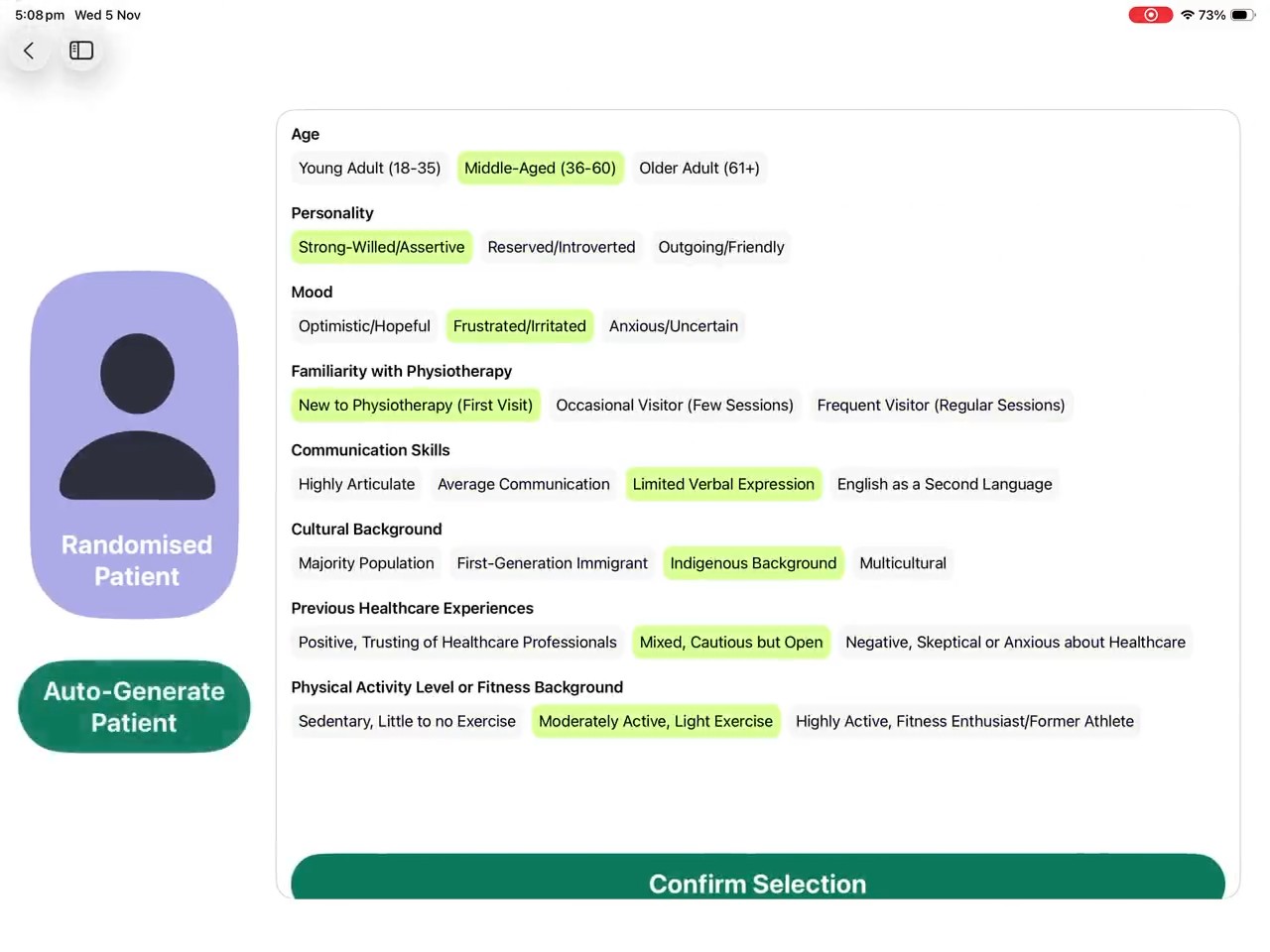
Plate 01. The Randomised Patient screen, building a patient from eight attributes, so that students can practise with a different scenario each time.
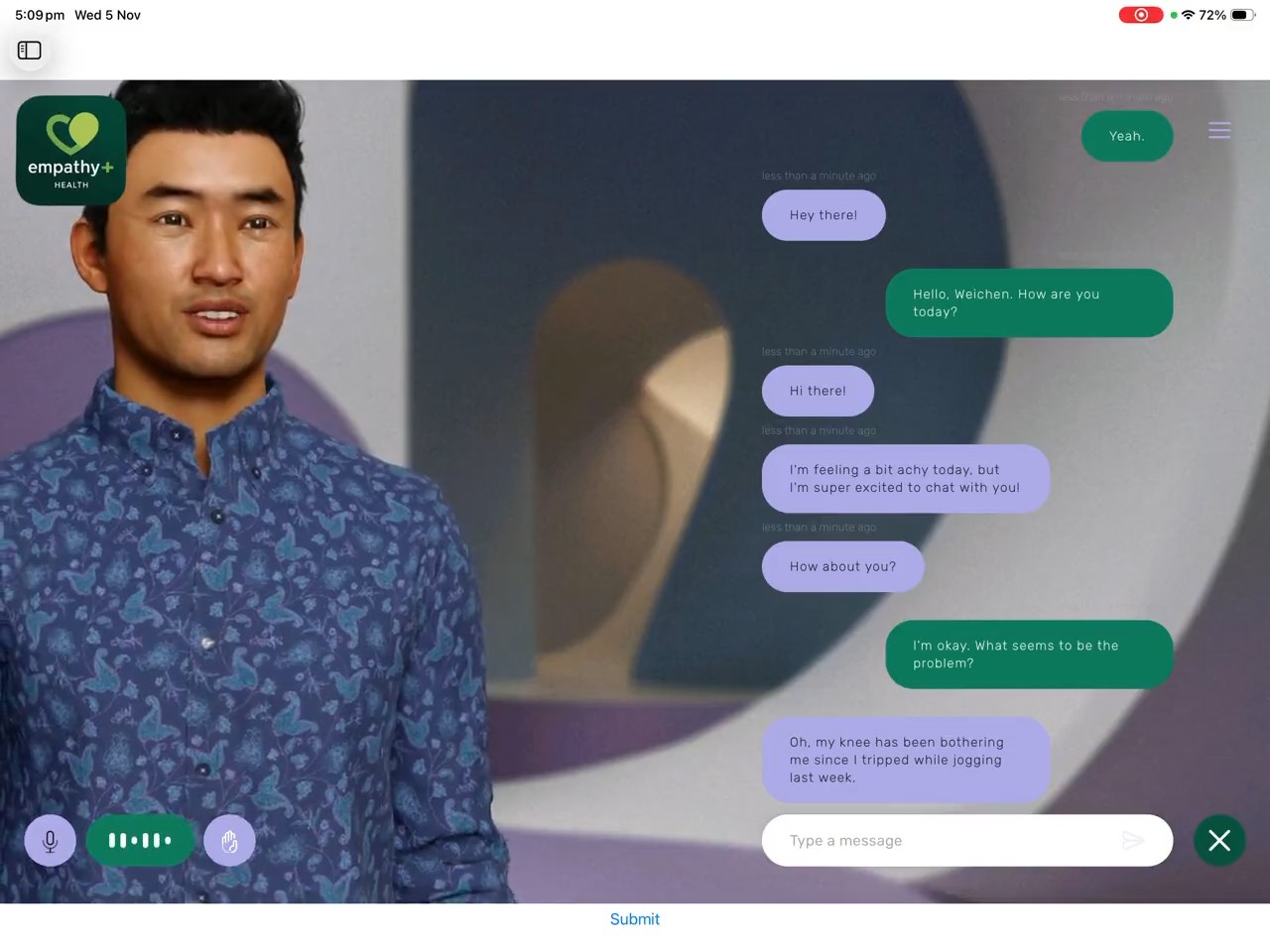
Plate 02. The consultation, with an AI patient avatar built using Soul Machines and trained with its own personality, for students to practise diagnosing a realistic patient.
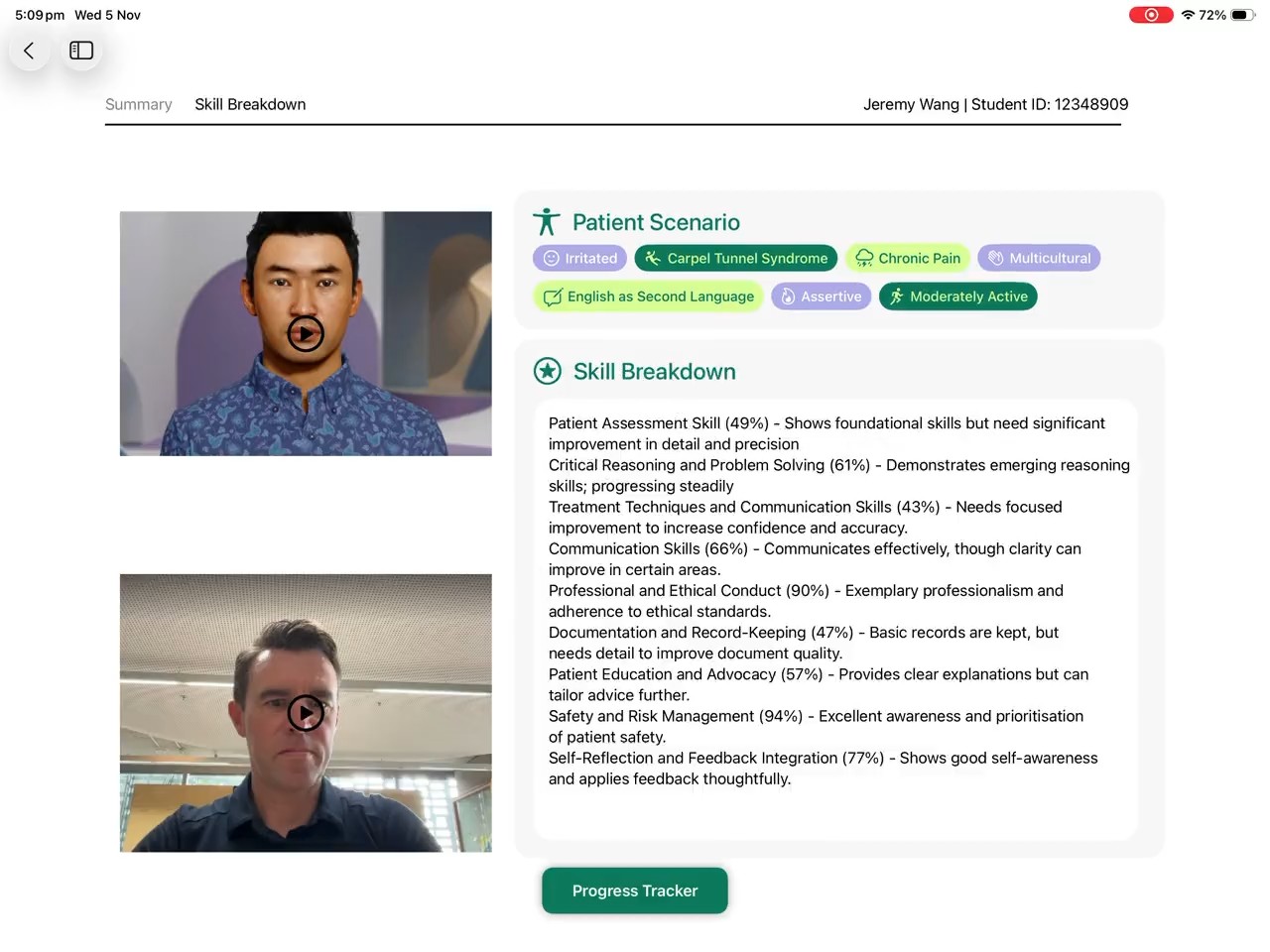
Plate 03. The reflection, recorded after each consultation and broken down into feedback across targeted areas of focus or marking criteria.
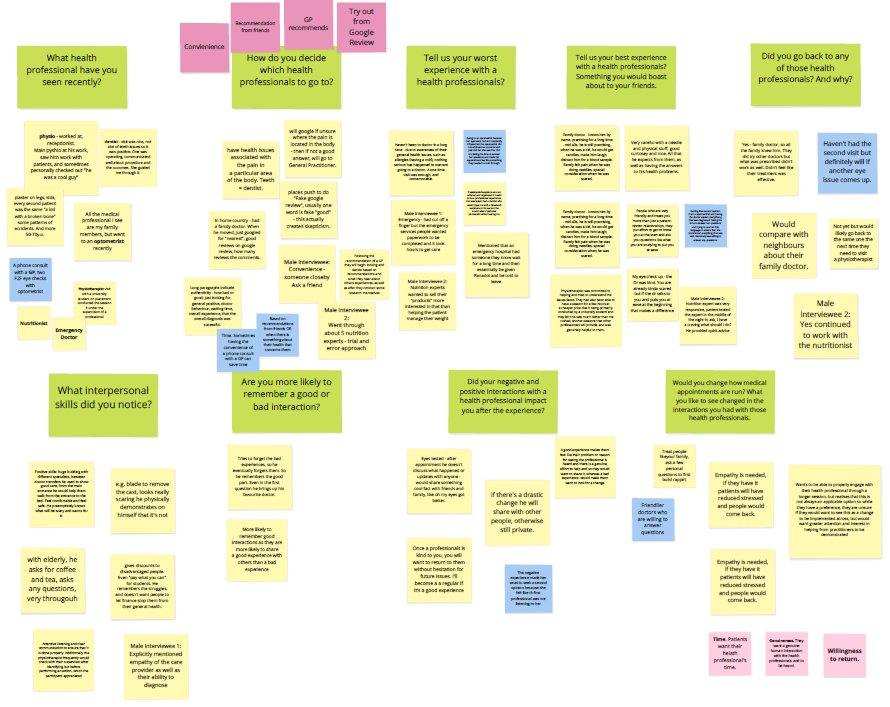
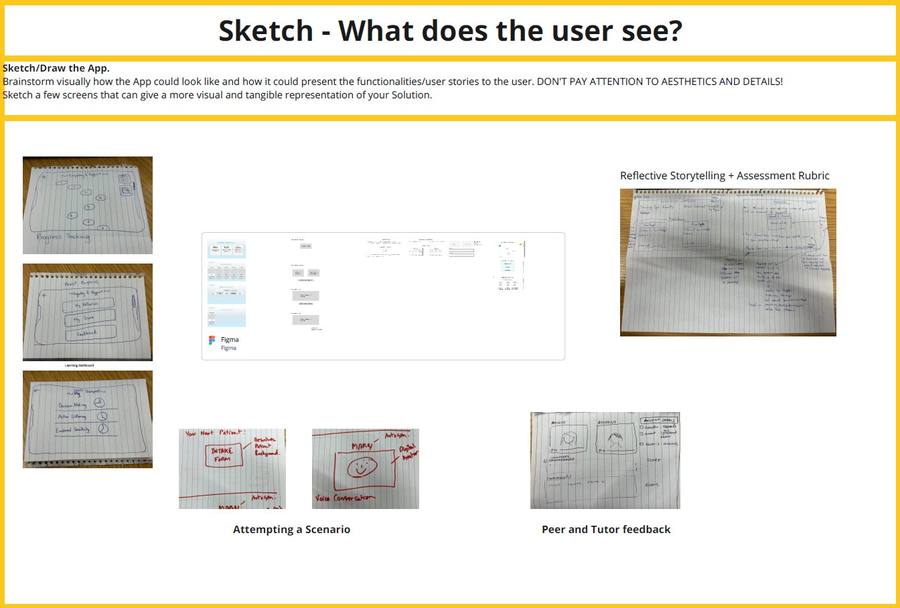
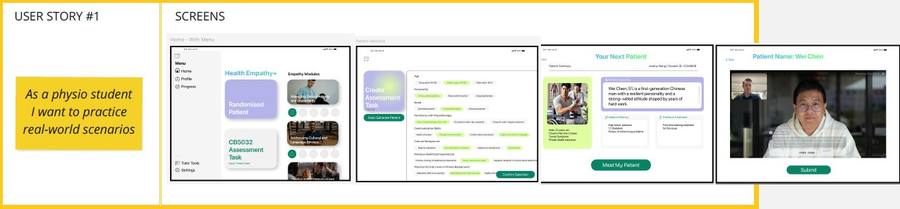
§ 04 — Decisions & trade-offs
Empathy is not taught, it's felt.
Each decision came back to what the interviews told us.
01
/ 03
Decision 01
Practising with an AI patient avatar
Chose
Integrated a Soul Machines AI avatar, trained with a unique personality, for students to practise diagnosis on.
Gave up
A text-based scenario, which would have been simpler to build within the three weeks.
Why
If empathy is felt rather than taught, students needed to practise with something that responds like a real patient.
Decision 02
Allowing for a randomised patient for every scenario
Chose
A Randomised Patient generator, combining attributes such as age, personality, mood, communication skills and cultural background.
Gave up
Implementing equal levels of functionality for all features within the timeframe, to explore some ideas further.
Why
Outside of assessments, no two patients are the same, so students needed to practise adapting to the person in front of them.
Decision 03
A recorded reflection after every scenario
Chose
A video reflection after each consultation, automatically transcribed and turned into a skill breakdown and progress tracking.
Gave up
A shorter experience that ends when the consultation does.
Why
Reflective storytelling supports growth over time by helping students identify their own weaknesses and challenges, and gives tutors something to assess against the rubric.
§ 05
Impact & what I'd change
A year later (Nov 25), the project was still being presented on behalf of the Apple Foundation Program @UTS.
Looking back
One year later, our team was selected to present the project on behalf of the Apple Foundation Program @UTS, to executives at UTS, RMIT and Apple, including the Dean of Engineering & IT, RMIT's Deputy Vice Chancellor and Lisa Jackson, the former vice president of environment, policy and social initiatives at Apple. With more time, I would have tested the avatar with physiotherapy students before the final presentation.
— Noah
Product Designer · Apple Affiliated Program
Sole Undergraduate Provided with a Project Brief
Figma, Xcode, Soul Machines
§ 06
Plates
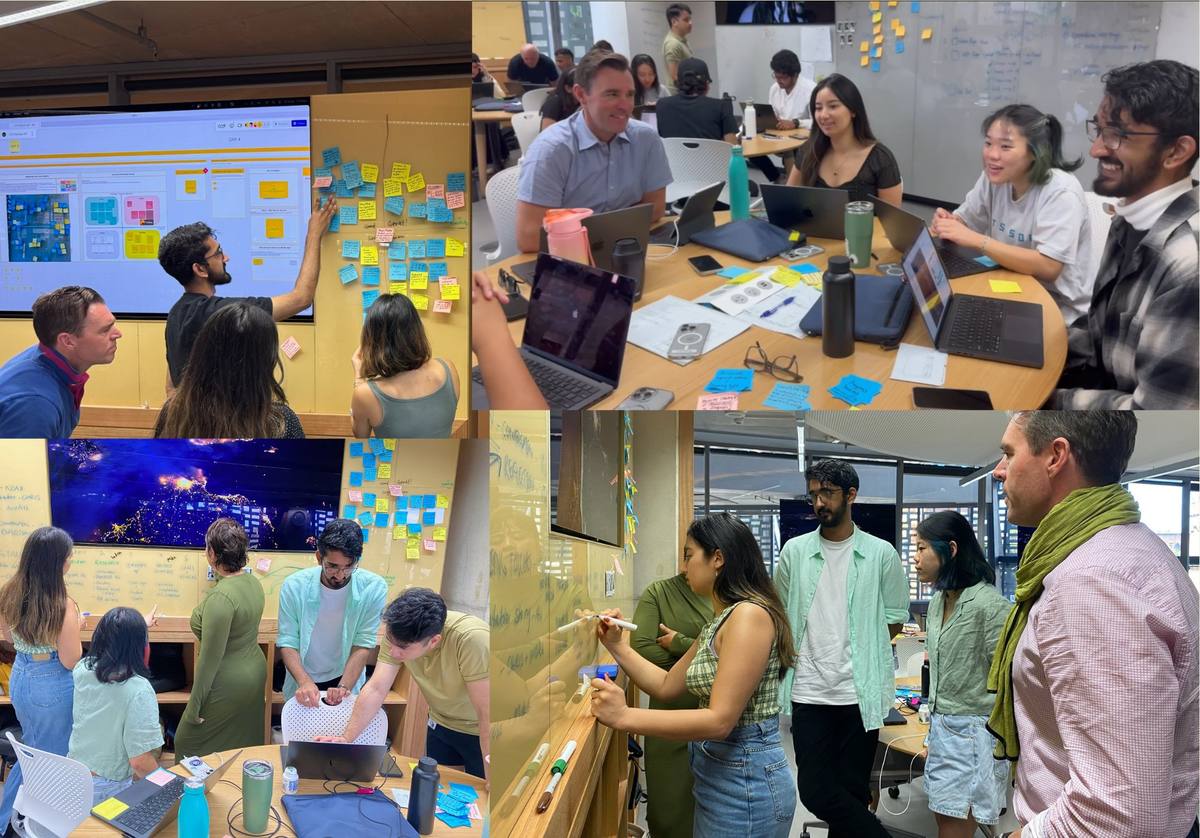
Three weeks at the Apple Foundation Program, from the first workshop to Graduation Day.
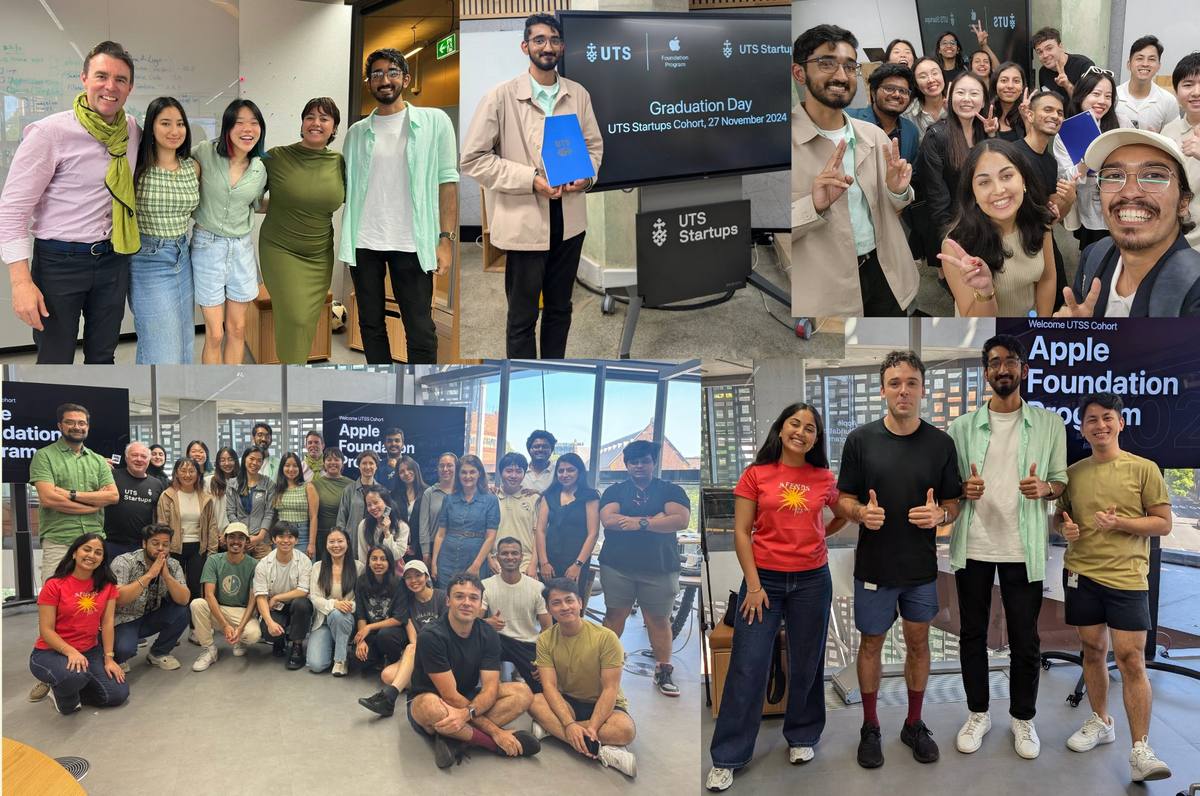
Graduation Day, 27 November 2024.
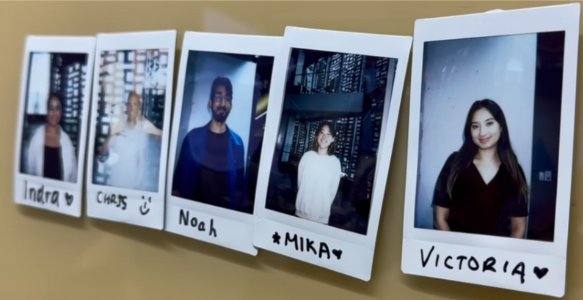
The Team.
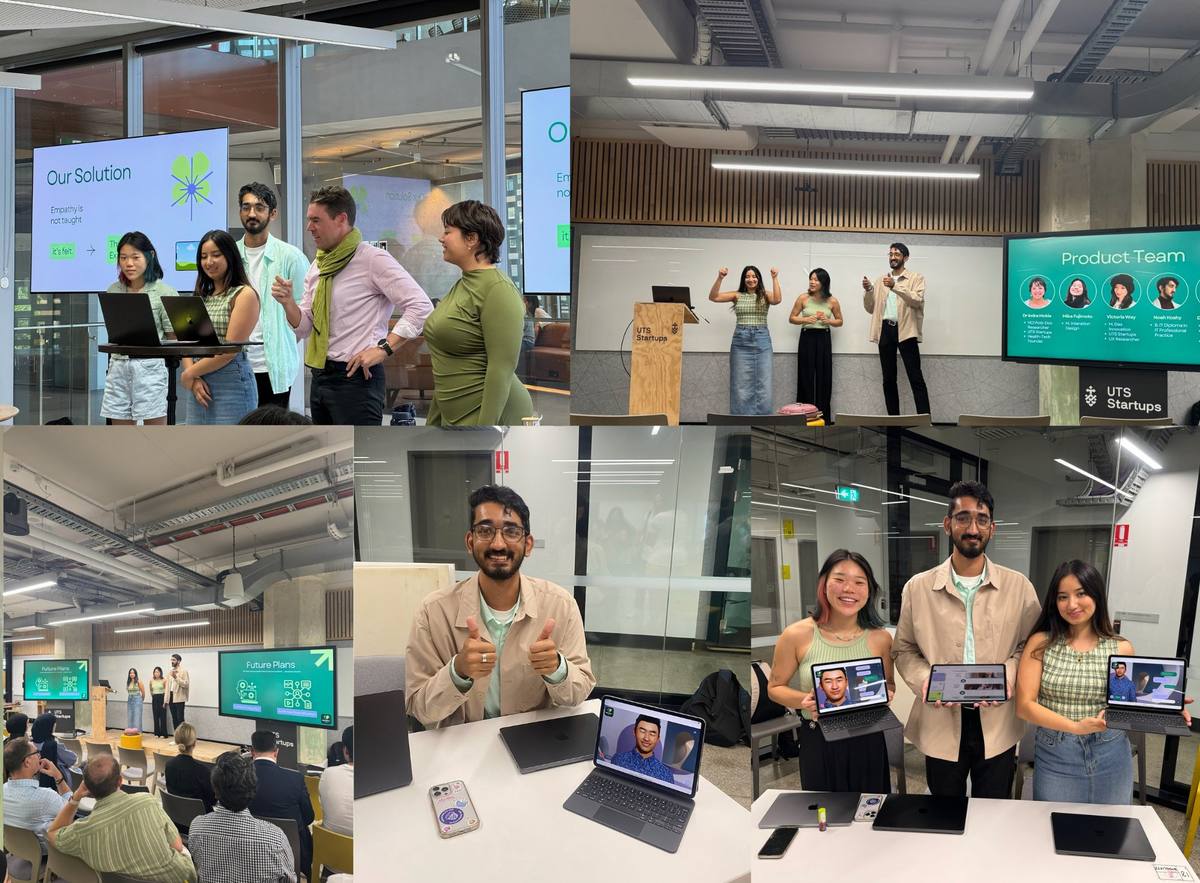
Presenting EmpathyHealth+ to industry guests, Apple representatives and alumni.
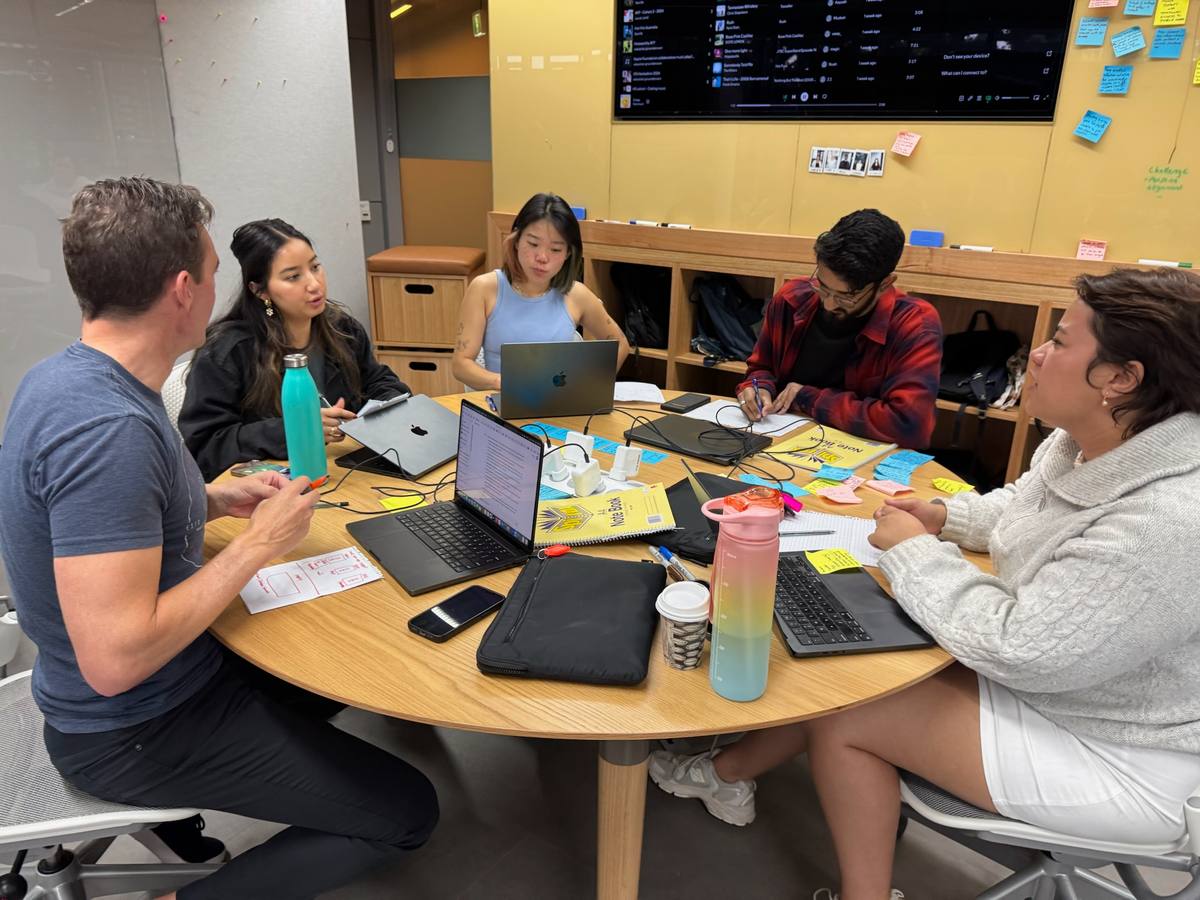
Working Session.
© Noah Koshy, 2022-2026.
Apple Foundation (Student) · Scrapbook-styled Portfolio