Noah Koshy
Designer · Sydney
Case № 04
Industry
Apple Foundation Program - Mentor
Five months after graduating from the Apple Foundation Program @UTS, I returned as the sole graduate of my cohort to become a mentor, and the youngest mentor in its history, delivering design and storytelling sessions to 5 cohorts over the next 10 months.
RoleDesign & Storytelling Mentor & Facilitator
Team8 people
Timeline
ROLES INCLUDEDDesign & Storytelling
Note to self
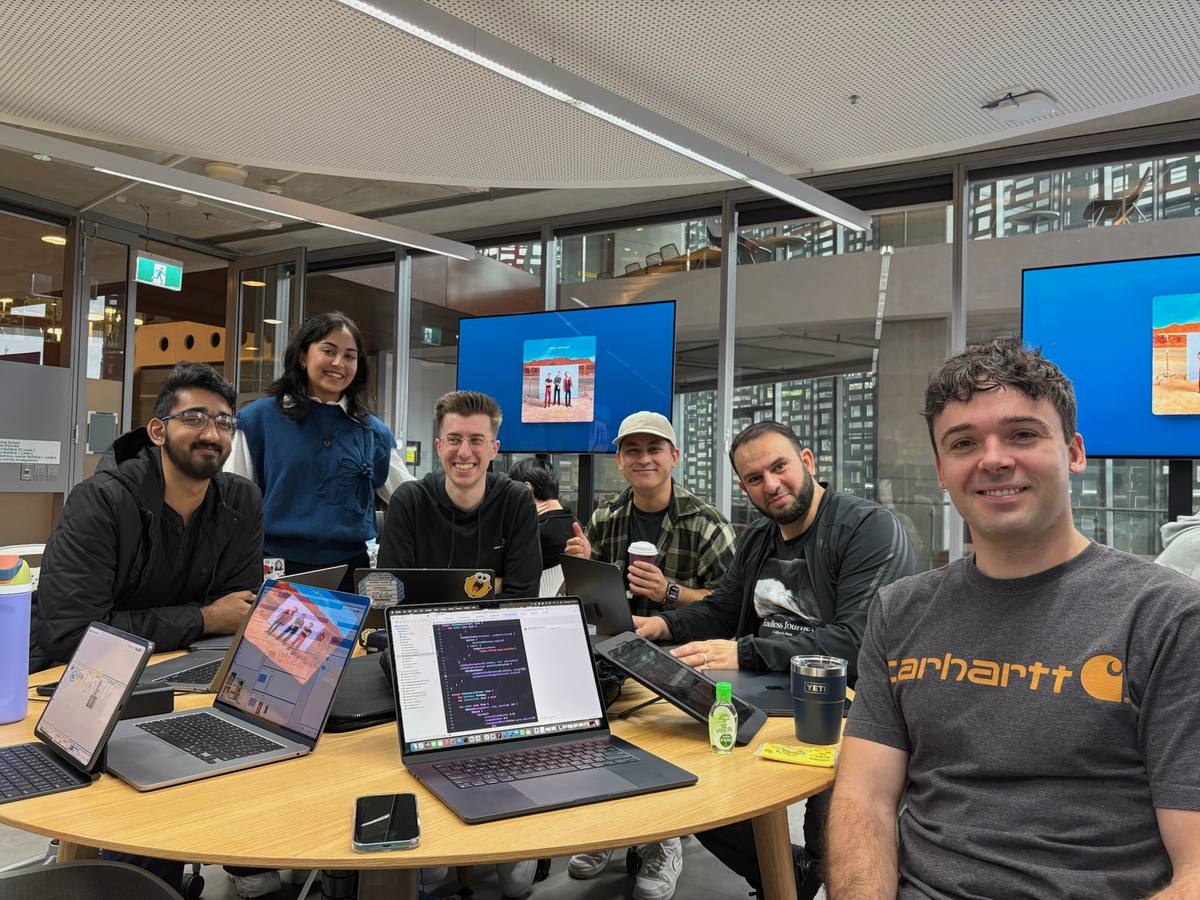
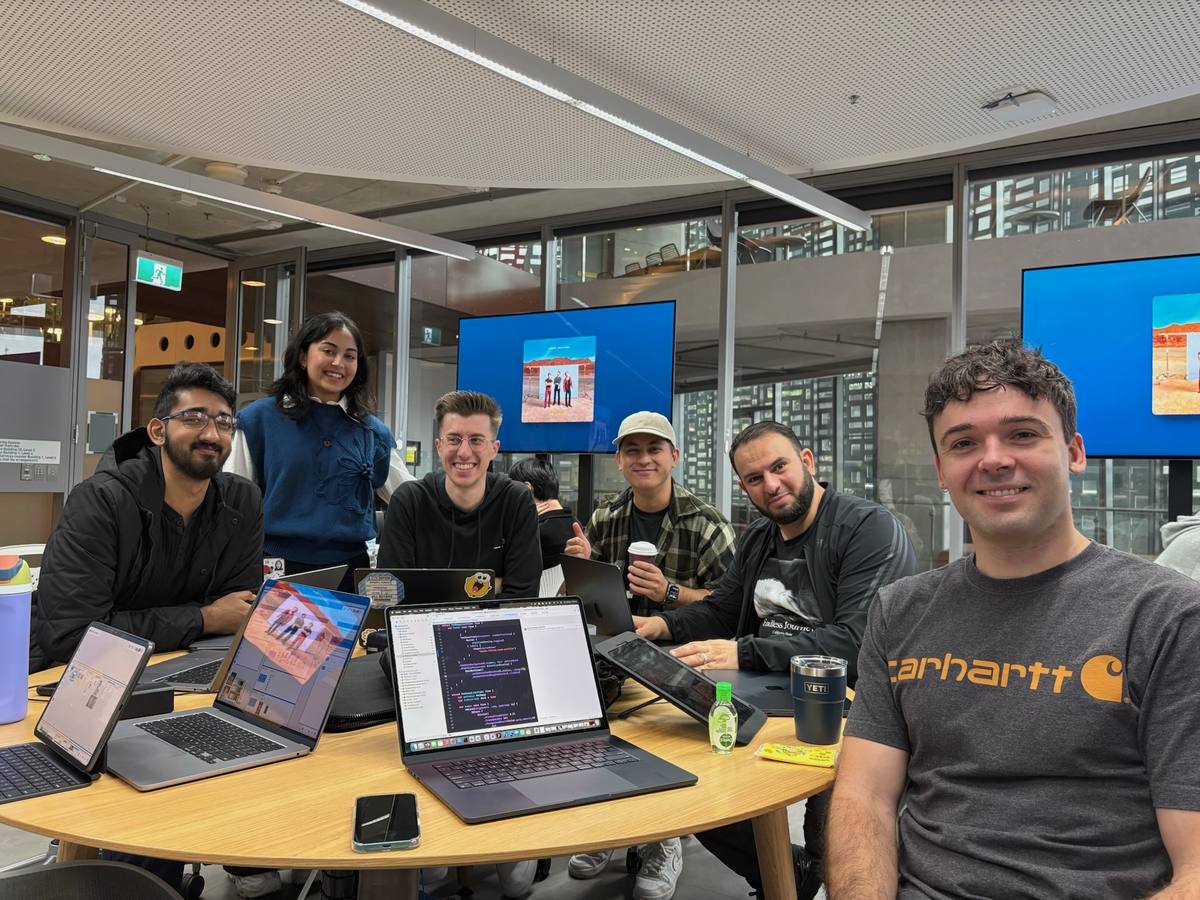
Members of the mentor team.
The sixty-second version
Problem
I had to deliver the design and storytelling content to five very different cohorts, which included people older and with more years of experience than me.
What I did
I mentored and facilitated the design and storytelling portions of the program, taking the initiative to lead and run the teaching for portions of it.
Result
I completed 5 cohorts over a 10-month period, as the sole graduate of my cohort to become a mentor and the youngest mentor in the program's history at UTS.
- 5 cohorts
- 1 UTS + UTS Startups, 1 UTS, 1 asylum seeker + refugee, 2 high school cohorts
- Sole graduate
- of my cohort to become a mentor following graduation
- Youngest mentor
- in the program's history at UTS
↓
More details below if you want the reasoning.
§ 01
The Problem
Each cohort arrived with a different background, and the same design and storytelling content had to work for all of them.
"The goal is to support students making it good enough to get to the next step, rather than making it perfect."
What I couldn't change
01
5 aforementioned cohorts over a 10-month period.
02
Cohorts had a mix of people with, at times, more academic experience or corporate and working experience than I did.
03
Much of the content came from the program's existing curriculum, so my focus was on how it was delivered.
§ 02
The Work
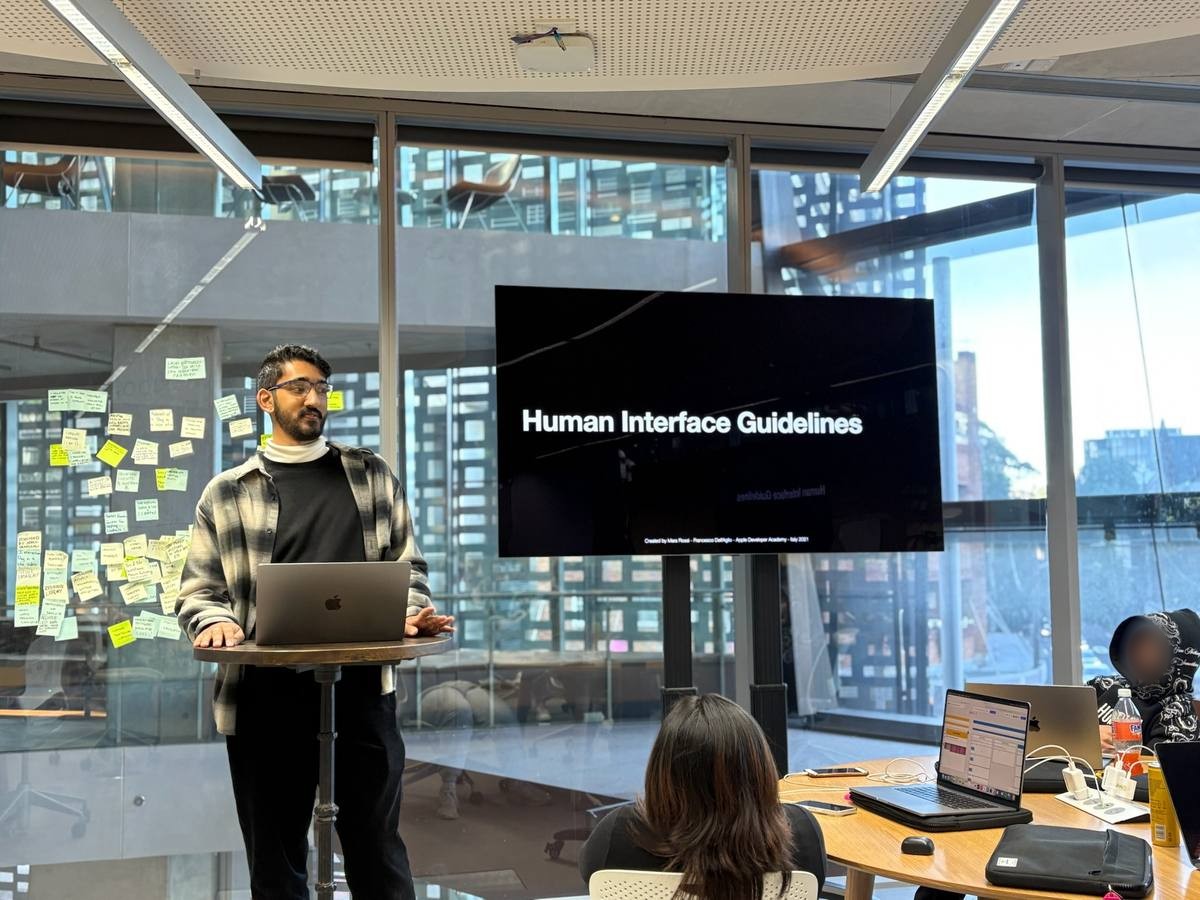
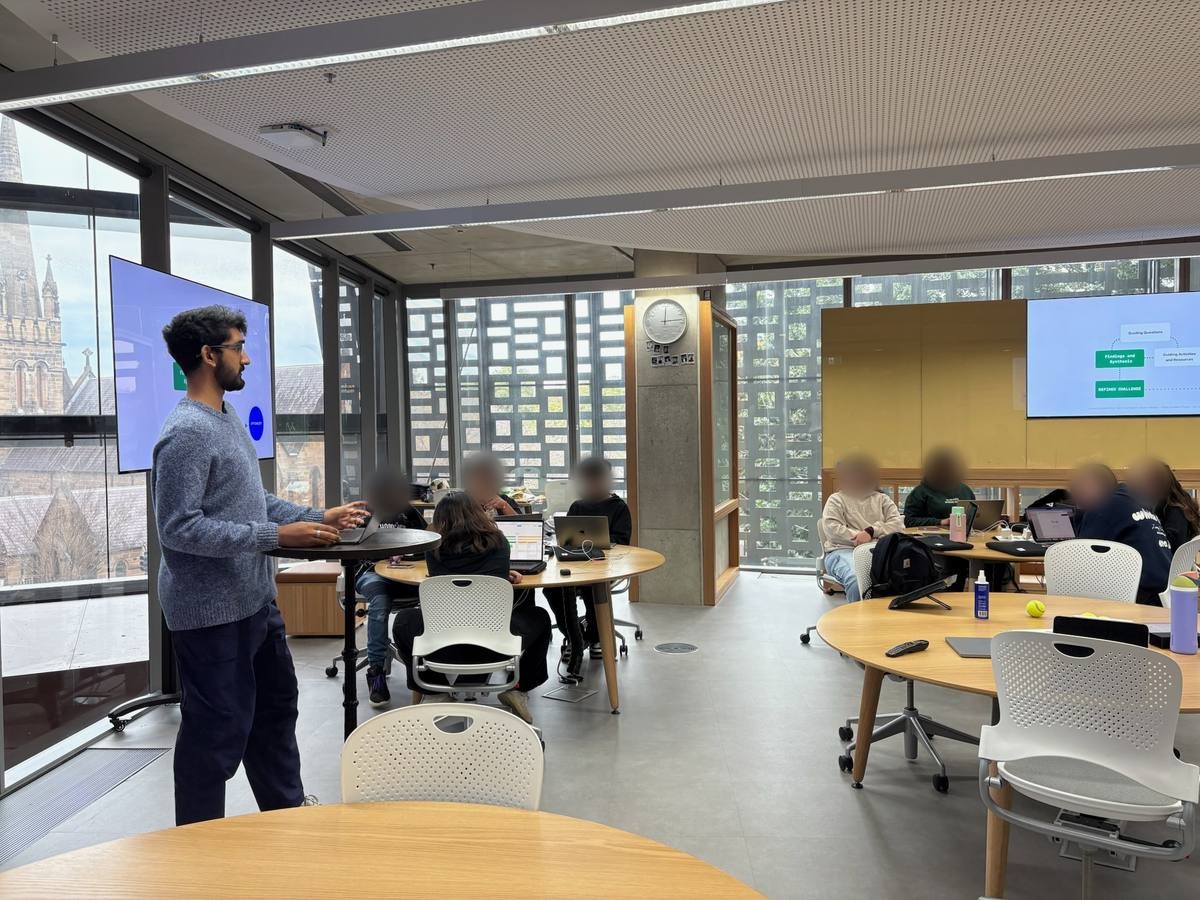
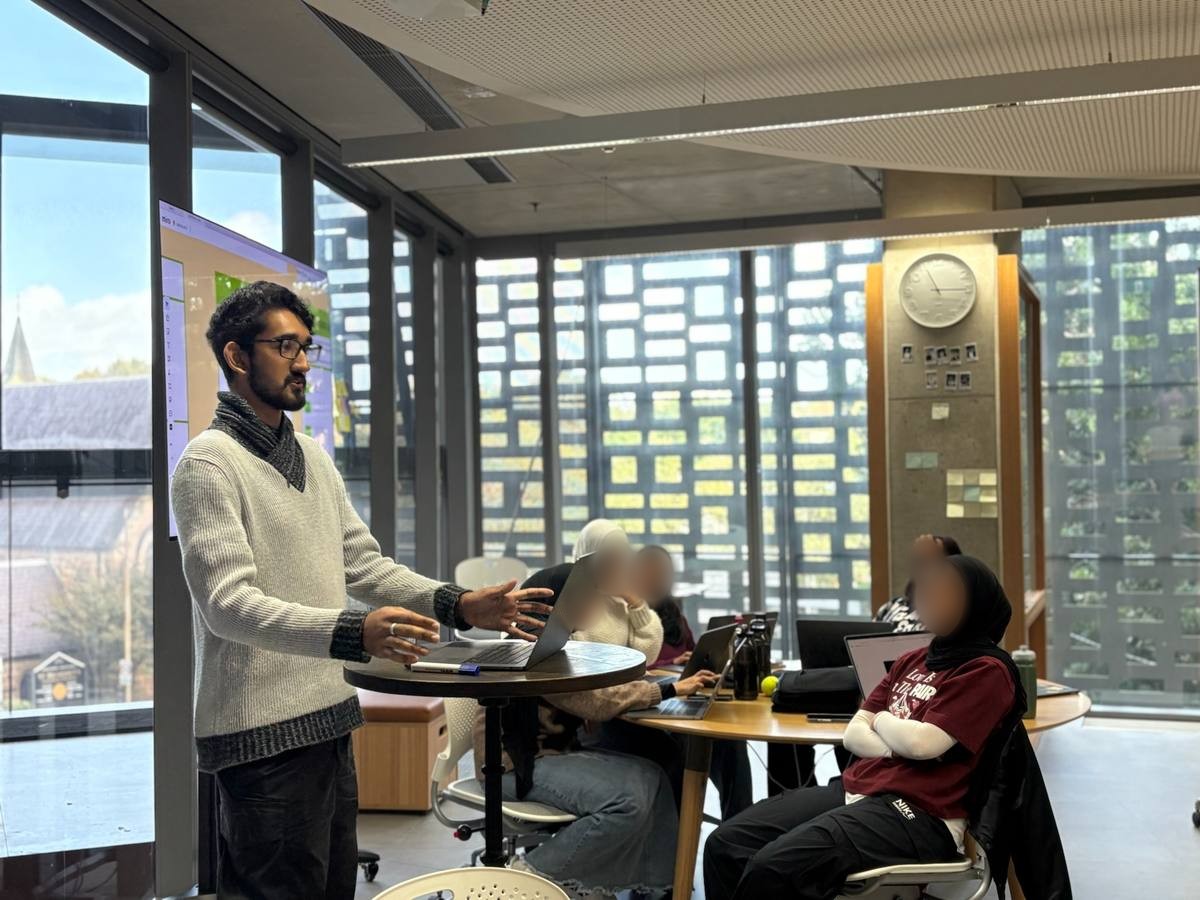
Instances of the design and storytelling sessions I delivered across five cohorts.
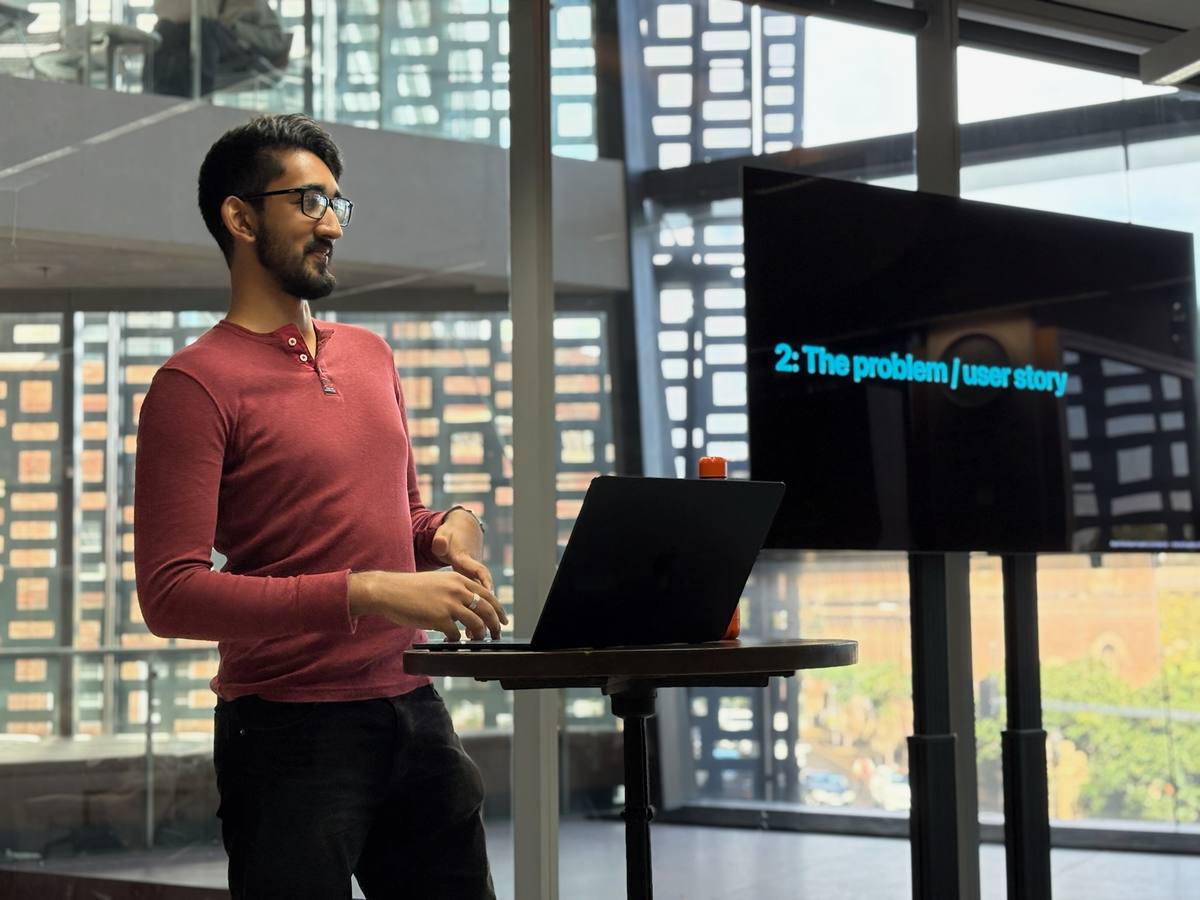
Plate 01. Presenting the problem and user story stage of the program to a cohort.
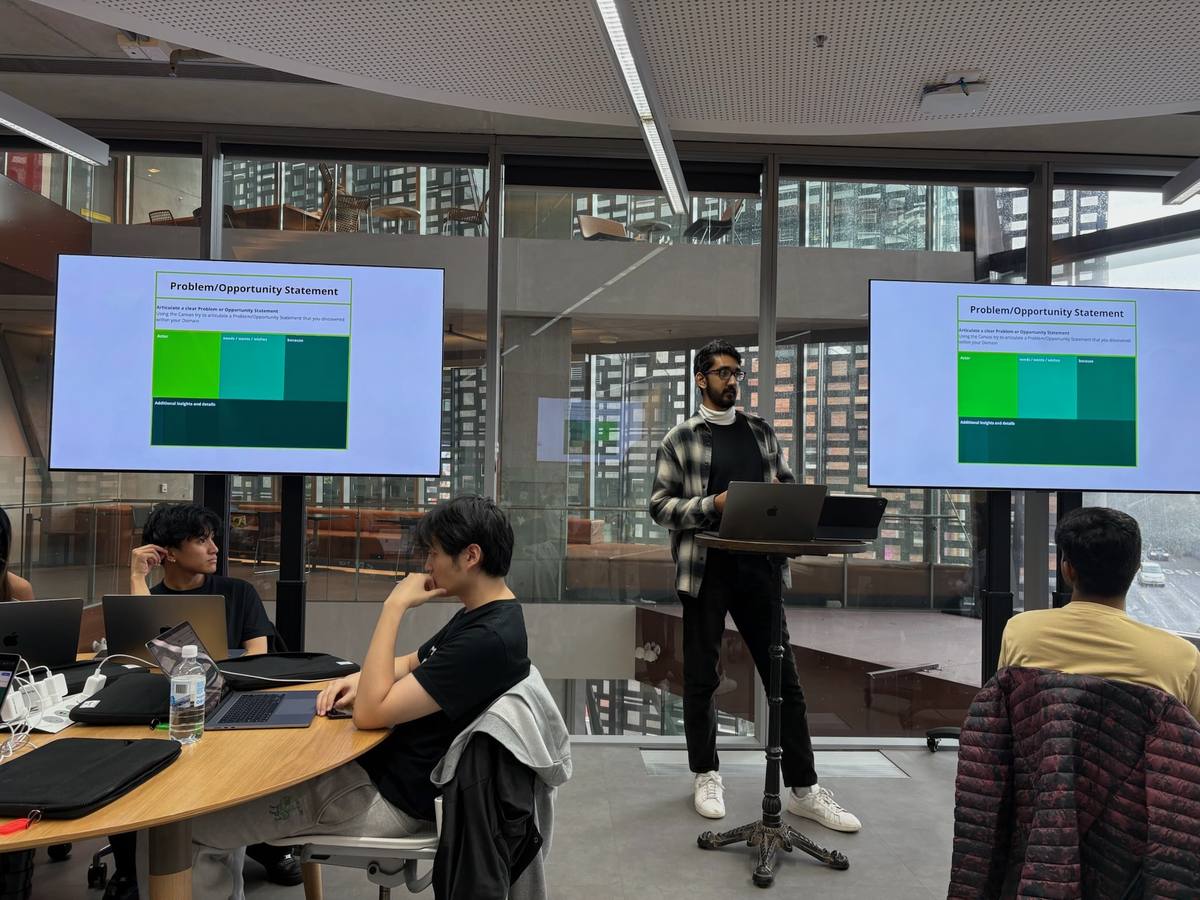
Plate 02. Facilitating the Problem/Opportunity Statement, where each team frames who they are designing for, what they need, and why.
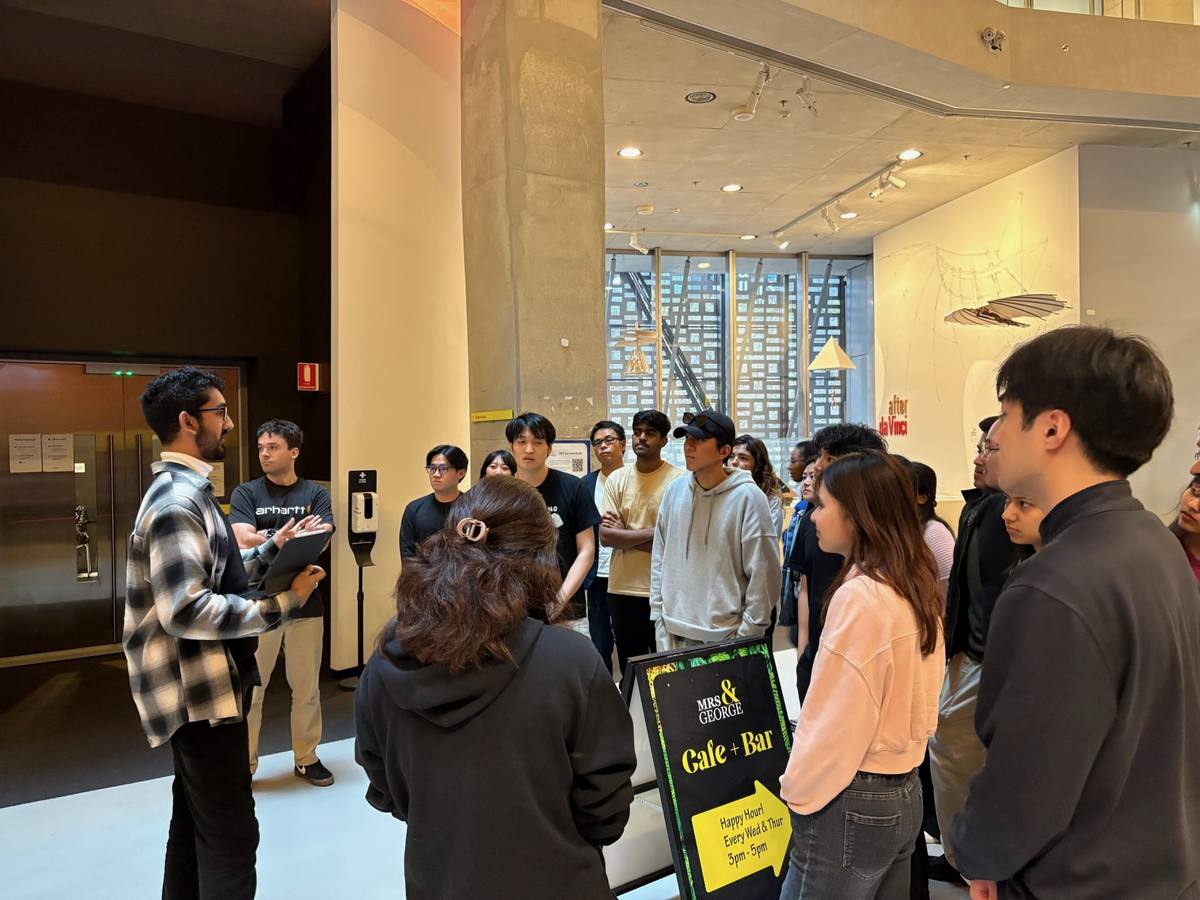
Plate 03. A demonstration of the "reframing the problem" approach to real-life and day-to-day problems and situations.
§ 04 — Decisions & trade-offs
Every cohort needed the same content, delivered differently and tailored to the students.
Three decisions, from applying to be a mentor through to how I delivered the sessions.
01
/ 03
Decision 01
Applying to mentor straight after graduating
Chose
Expressed my interest in becoming a mentor after graduating, articulating the value I would bring, backed by my active support for my team and the wider cohort while I was still a student.
Gave up
Time outside of my studies and work, which I planned around to make this possible.
Why
I was the sole graduate of my cohort to return as a mentor, and the youngest in the program's history.
Decision 02
Joining the Alumni Board as well
Chose
Expressed interest in joining the Alumni Board at the same time, planning and organising events for graduates of the program.
Gave up
Even more of my time, with two roles at once.
Why
Due to the high standard of work and accountability I held myself to, I joined the Alumni Board before the conclusion of my first cohort as a mentor, and was actively involved for a little over a year.
Decision 03
Adapting the delivery for each cohort
Chose
Adjusted how the design and storytelling content was delivered for each cohort, from the high school students, to the university and startup students, to the refugee & asylum seeker students.
Gave up
Delivering every session the same way, which would have been quicker and easier to prepare for.
Why
The content only helps when each team can apply it to their own learning journey.
§ 05
Impact & what I'd change
My first time on the other side of the program.
Looking back
I successfully completed my time as a mentor for 5 cohorts over a 10-month period, delivering course content and supporting the rest of the mentor team, and received a positive LinkedIn recommendation from my manager as a result. If I did it again, I would gather feedback from each cohort, to see which sessions worked best for them.
— Noah
Design & Storytelling · Mentor & Facilitator
Student to Mentor
(Former) Alumni Board Member
§ 06
Plates
One more session, and my mentor profile.
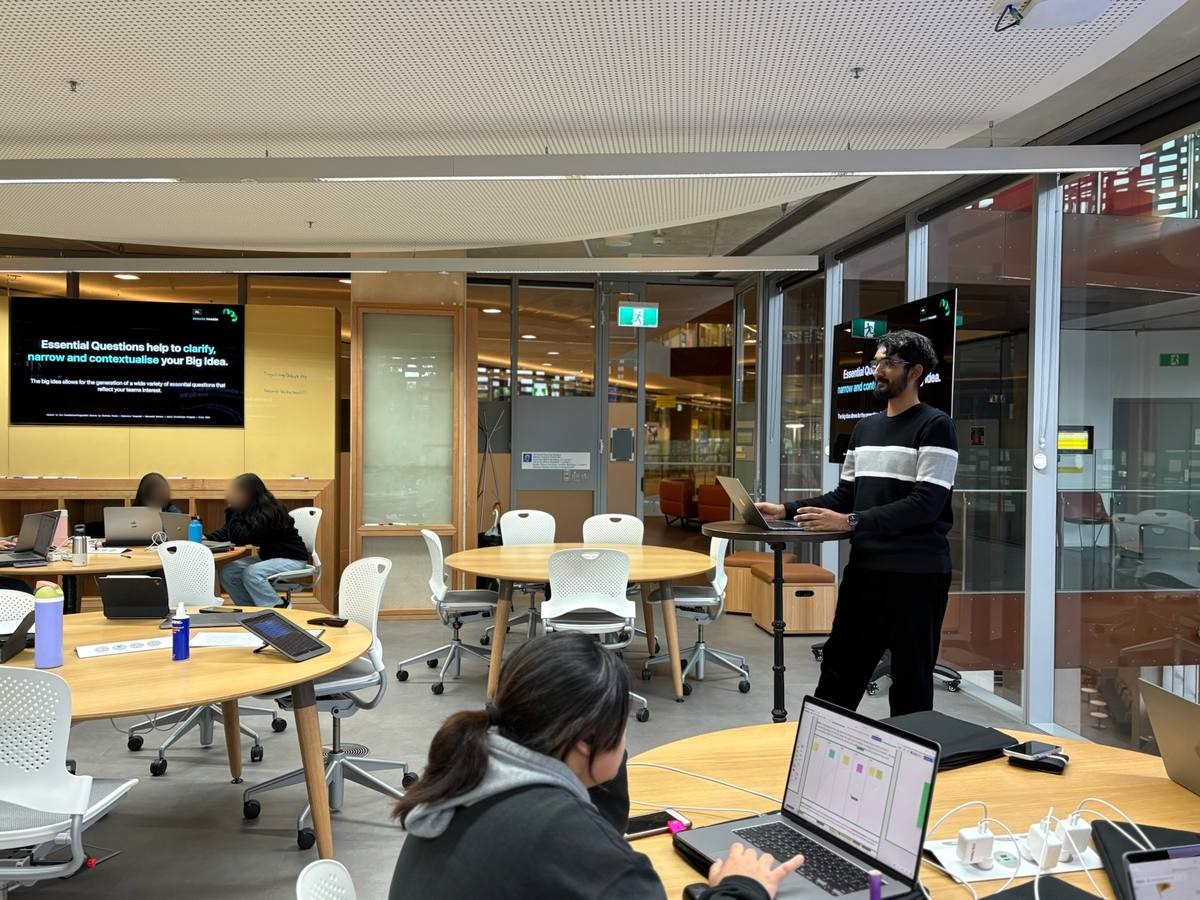
Running Essential Questions, helping each team to clarify, narrow and contextualise their Big Idea.
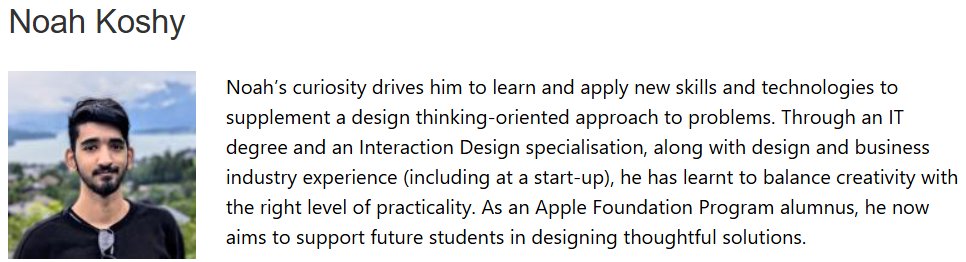
Mentor Profile.
© Noah Koshy, 2022-2026.
Apple Foundation (Mentor) · Scrapbook-styled Portfolio